When gold prospectors pushing south from Coker Creek in Monroe County panned along North Potato Creek in southeastern Polk County, Tennessee in 1843, they were initially disappointed. Instead of rich free-milling placer gold nuggets, they struck heavy, dark iron-stained gossan outcrops overlying massive sulfide ore veins. What appeared at first to be "fool's gold" (iron pyrite and chalcopyrite) turned out to be one of the richest native copper and polymetallic sulfide deposits in eastern North America: the 60,000-acre Ducktown Copper Basin.
How Copper Smelting Made Ducktown Tennessee's Largest Gold & Silver Producer
Here is a geological fact from United States Geological Survey (USGS) mineral yearbooks that surprises almost everyone in East Tennessee: although Coker Creek in Monroe County was famous for hand-panned gold nuggets, the vast majority of all documented gold and silver produced in the State of Tennessee during the twentieth century came out of the copper mines at Ducktown and Copperhill in Polk County.
How did a copper mine produce so much gold and silver? The Precambrian volcanogenic massive sulfide (VMS) ore bodies of the Great Gossan Lead—worked at famous shafts including the Burra Burra Mine, the Polk County Mine, the Callaway Mine, and the Cherokee/Boyd Mines—consisted primarily of pyrrhotite, pyrite, chalcopyrite, and sphalerite. Embedded at trace levels within that sulfide matrix were measurable quantities of gold and silver.
- Pre-1904 Open-Air Heap Roasting: Throughout the late 1800s, mining companies cut down square miles of surrounding timber to roast raw sulfide ore in open pits, releasing sulfur dioxide clouds that created the famous red-clay "Ducktown Desert."
- Post-1904 Pyritic Smelting & Electrolytic Slimes Recovery: After the Tennessee Copper Company and the Ducktown Sulphur, Copper & Iron Company modernized their smelters and built massive sulfuric acid recovery plants in the early 1900s, blister copper from Ducktown was electrolytically refined. During electrolytic copper refining, gold and silver do not dissolve in the electrolyte; instead, they settle to the bottom of the tank as precious-metal-rich "anode slimes", which are then collected and refined into pure .999 gold and silver bullion.
| East Tennessee Mining District | County | Primary Ore Type | Precious Metal Recovery Method |
|---|---|---|---|
| Coker Creek Gold District (1827–1930s) | Monroe County | Alluvial Gravel & Quartz Veins | Placer panning, sluicing, hydraulic & stamp mills |
| Ducktown / Copperhill Basin (1843–1987) | Polk County | Polymetallic Massive Sulfides | Electrolytic copper refining byproduct (Gold & Silver credits) |
| Hazel Creek / Fontana District (1900–1944) | Smoky Mtns Crest | Chalcopyrite / Sulfide Veins | Smelted at Ducktown for copper, silver & gold content |
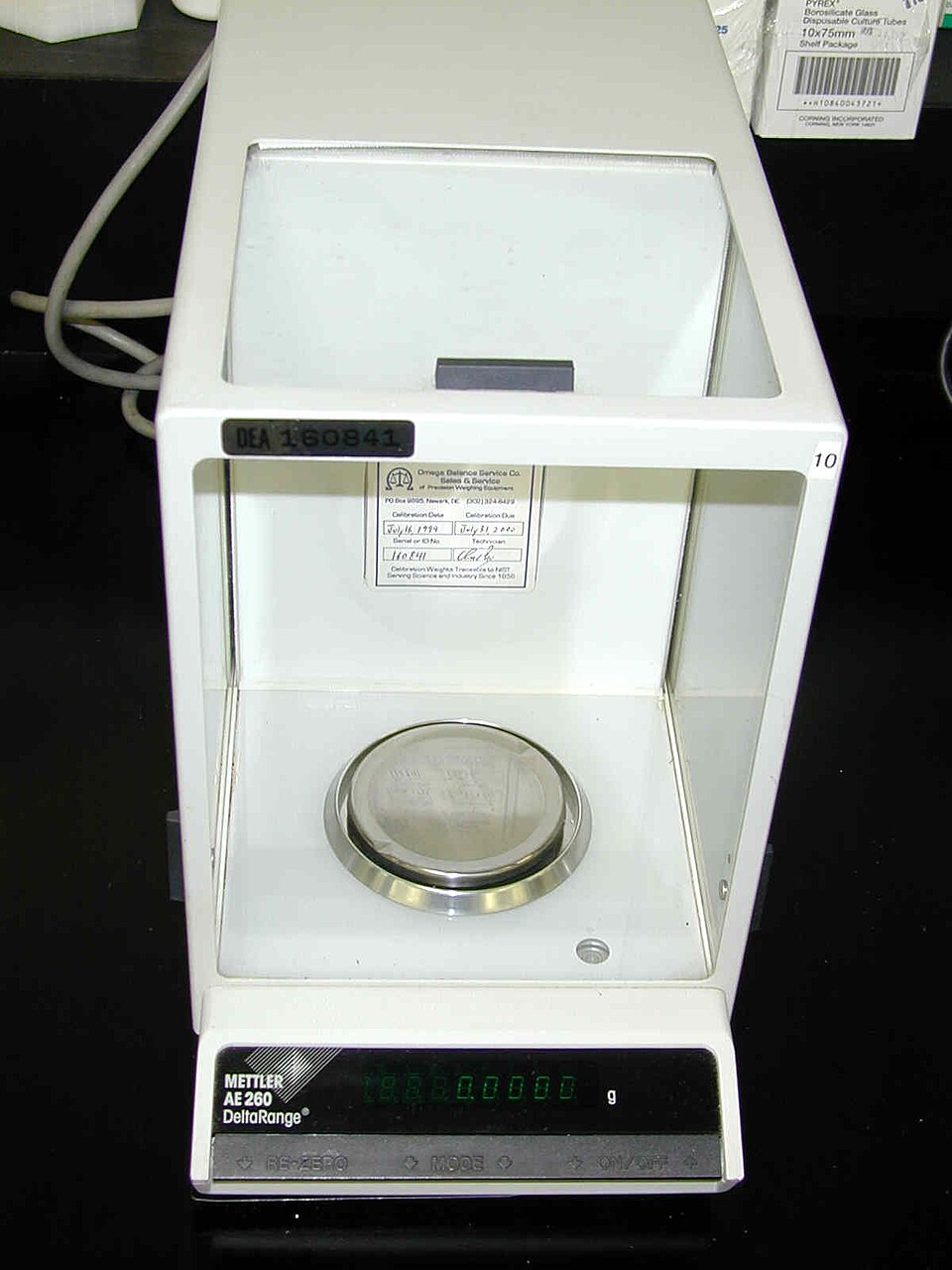
Know exactly what your jewelry and estate pieces are worth before visiting any buyer. Sort your items at home using a JSP 10K–22K Gold & Silver Acid Testing Kit, inspect worn stamps with a 10x Hastings Triplet Jeweler's Loupe, and weigh in true grams and troy ounces on a 0.01g Digital Jeweler Scale.
Exploring the Legacy Today
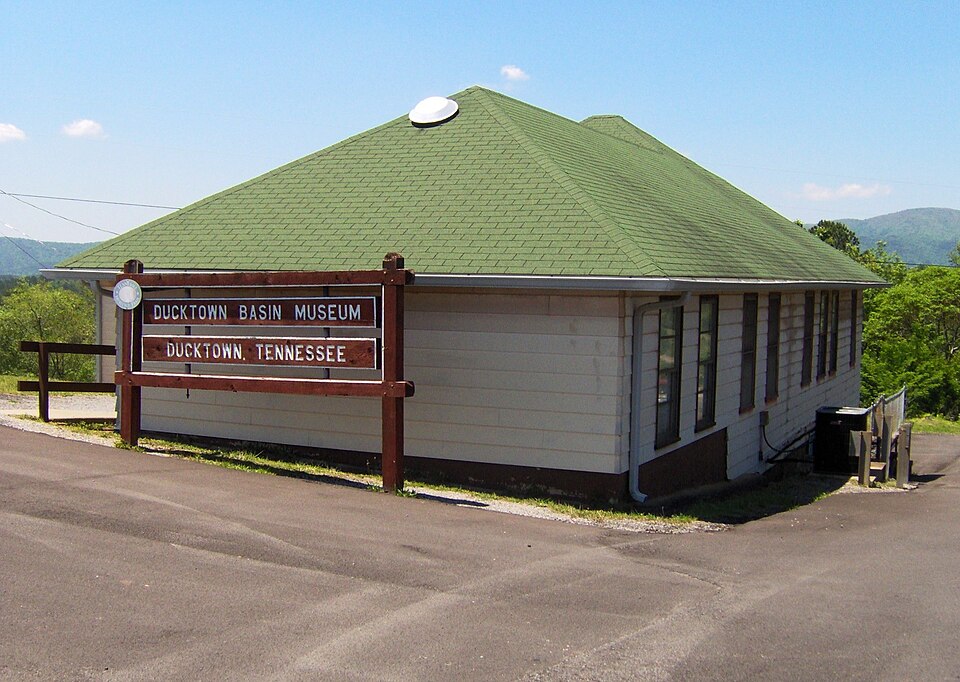
Before the last deep shafts in the Copper Basin closed in 1987, Polk County's mines had produced tens of thousands of troy ounces of byproduct gold and millions of troy ounces of silver alongside copper, iron sinter, and sulfuric acid. Today, the Ducktown Basin Museum at the historic Burra Burra Mine State Historic Site preserves the original headframe, hoist house, and assay heritage of southeastern Tennessee.